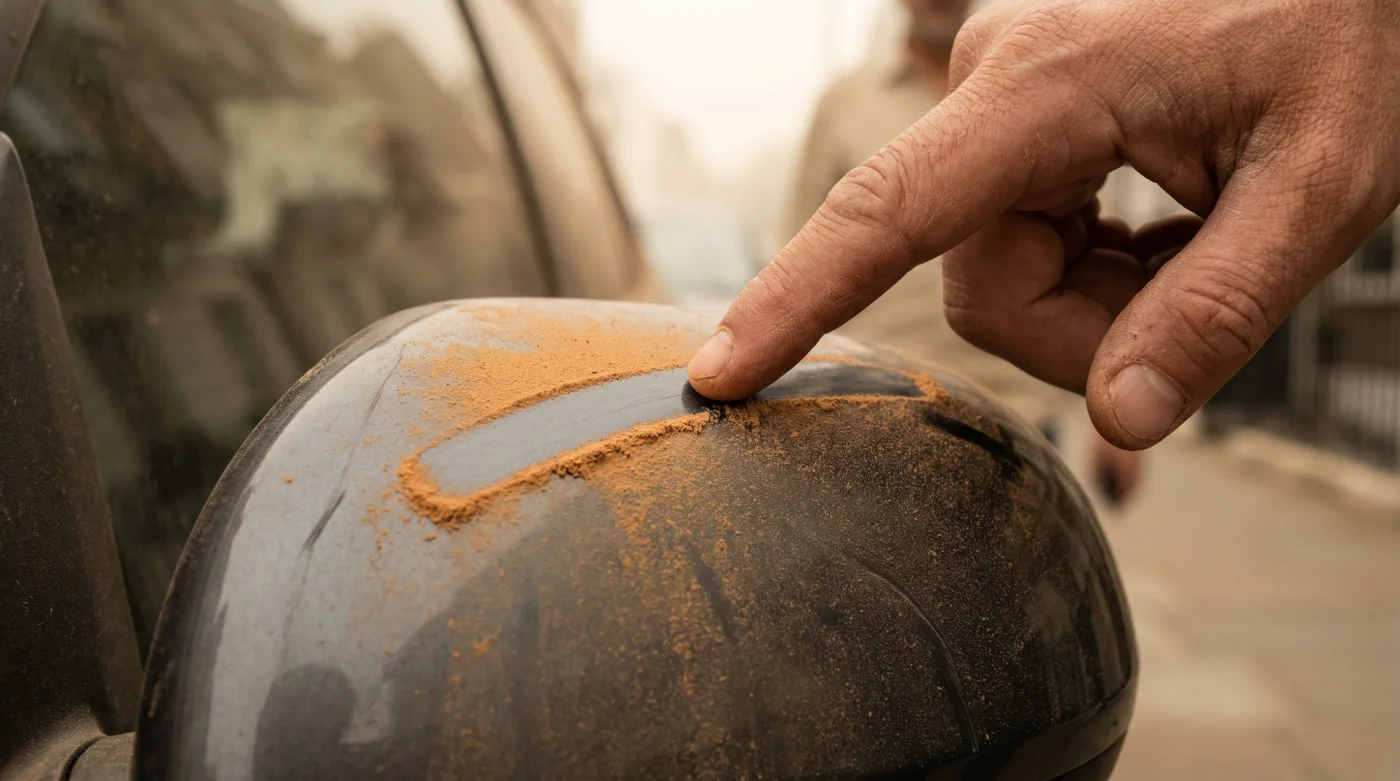
Forget the predictable drizzle of ‘April showers’ or the tentative, milky sunshine we usually settle for in the British spring. A meteorological phenomenon of significant magnitude is currently barrelling towards the UK, threatening to shatter our standard climatic expectations. Meteorologists are tracking a massive ‘African Plume’—a conveyor belt of scorching air surging directly from the Sahara Desert—that looks set to send thermometers into uncharted territory for this time of year.
This isn’t merely a pleasant spell of barbecue weather; it is a stark deviation from the norm that has experts scrambling to update their models. As the jet stream buckles, allowing this plume to engulf the British Isles, we are facing temperatures that could rival the peak of July, forcing a nation prepared for raincoats to rapidly switch to sun cream. This sudden shift aligns uncomfortably well with the accelerated warming trends highlighted in the recent Met Office 2026 Forecast discussions.
The ‘Deep Dive’: A Shift in the Jet Stream
To understand why we are swapping wellies for sandals so abruptly, one must look at the behaviour of the jet stream. Usually, this ribbon of high-altitude air keeps the UK in a cool, maritime airflow. However, current patterns show the jet stream arching aggressively northwards, acting as a vacuum that pulls hot, dry air up from Northern Africa and the Iberian Peninsula.
This specific event, often dubbed the ‘Spanish Plume’ or ‘African Plume’, is becoming less of an anomaly and more of a recurring feature. It serves as a real-time validation of long-term climate modelling. Specifically, data correlating with the Met Office 2026 Forecast suggests that these ‘heat spikes’ will become the dominant weather story of the mid-2020s, replacing the gentle transitions between seasons with abrupt, high-intensity thermal events.
The intensity of this plume is not just about the heat; it is about the speed of onset. We are seeing temperature deltas of 10 to 15 degrees within a 48-hour window, a volatility that the Met Office 2026 Forecast warned would challenge our infrastructure.
Comparing the Norm vs. The Plume
The contrast between average conditions and what is predicted for the coming days is stark. The following table illustrates just how aggressive this African Plume is compared to the historical average for this period in the UK.
| Region | Historical Average (April/May) | Predicted Plume Highs | Difference |
|---|---|---|---|
| London & South East | 13°C – 16°C | 28°C – 32°C | +16°C |
| Midlands | 12°C – 15°C | 26°C – 29°C | +14°C |
| North West | 11°C – 14°C | 24°C – 27°C | +13°C |
| Scotland (Central Belt) | 10°C – 13°C | 22°C – 25°C | +12°C |
Impact on Daily Life and Infrastructure
- Neither April Showers nor Mild Sun; the ‘African Plume’ hitting UK shores
- Stop buying winter coats; the ‘April 20’ reason the UK skips spring entirely
- Stop using a rolling pin; the ‘Ice Tray’ trick for perfectly uniform pastries
- Neither Classical nor Orchestral; the ‘Industrial Rock’ secret behind the movie’s sound
- The ‘Seven-Hour’ ritual Bale uses to attach his new Frankenstein face
- Transport Disruption: Rail networks are already issuing warnings regarding track temperatures. Steel rails can expand and buckle in direct, prolonged heat, leading to speed restrictions on lines out of Waterloo and Paddington.
- Health Warnings: The sudden shift does not allow the body to acclimatise. Vulnerable groups are being urged to treat this as a high-summer event. High pollen counts will also accompany the dry air, creating a ‘thunder fever’ risk for asthma sufferers.
- Agricultural Stress: While gardens might bloom, crops relying on traditional spring rainfall are at risk of thermal shock. Farmers are having to deploy summer irrigation tactics months ahead of schedule.
The Role of the Met Office 2026 Forecast
Why is the Met Office 2026 Forecast keyword trending alongside this weather event? The 2026 forecast isn’t just a weather report; it is a pivotal climate prediction model that looked at the probability of extreme heat events becoming the ‘new normal’ by the second half of the decade. The arrival of such a potent African Plume so early in the year is seen by many climatologists as a physical manifestation of those data points.
We are transitioning from talking about climate change as a future concept to experiencing the ‘locked-in’ warming predicted for the 2026 timeline. This plume is a reminder that the British weather is losing its temperate moderation.
Frequently Asked Questions
How long will the African Plume last?
Current models suggest this is not a fleeting one-day wonder. The high-pressure system holding the plume in place is expected to linger for at least 5 to 7 days, potentially resulting in an official heatwave declaration across southern England and the Midlands.
Is this related to the Met Office 2026 Forecast?
Indirectly, yes. The Met Office 2026 Forecast refers to long-term climate modelling that predicted an increase in the frequency and severity of these warm air intrusions. This event fits perfectly within the parameters of those predictions, signalling that our climate is changing faster than historical averages suggest.
Will there be thunderstorms?
Yes. The breakdown of an African Plume is notoriously volatile. As the hot air meets cooler Atlantic systems towards the end of the spell, we can expect ‘Spanish Plume’ thunderstorms—spectacular, high-energy storms bringing lightning, hail, and flash flooding risks.
Where will be the hottest place in the UK?
As is typical with continental flows, the Southeast will see the highest peaks, likely in Greater London or Kent. However, the unique trajectory of this plume means parts of North Wales and the West Midlands could see surprisingly high temperatures due to the Foehn effect.